A Voyage into Imagination
Planning this summer’s sailing trip conjures an array of images. Thousands of small islands, hidden anchorages and dense birch forests in pale light. But there are also vaguer impressions of grinning trolls and good-natured giants, figures half imagined, half remembered from mythology. This year’s voyage feels rather like an expedition through layers of imagination, navigating not only seascapes, but inherited myths, remembered stories and individual associations.
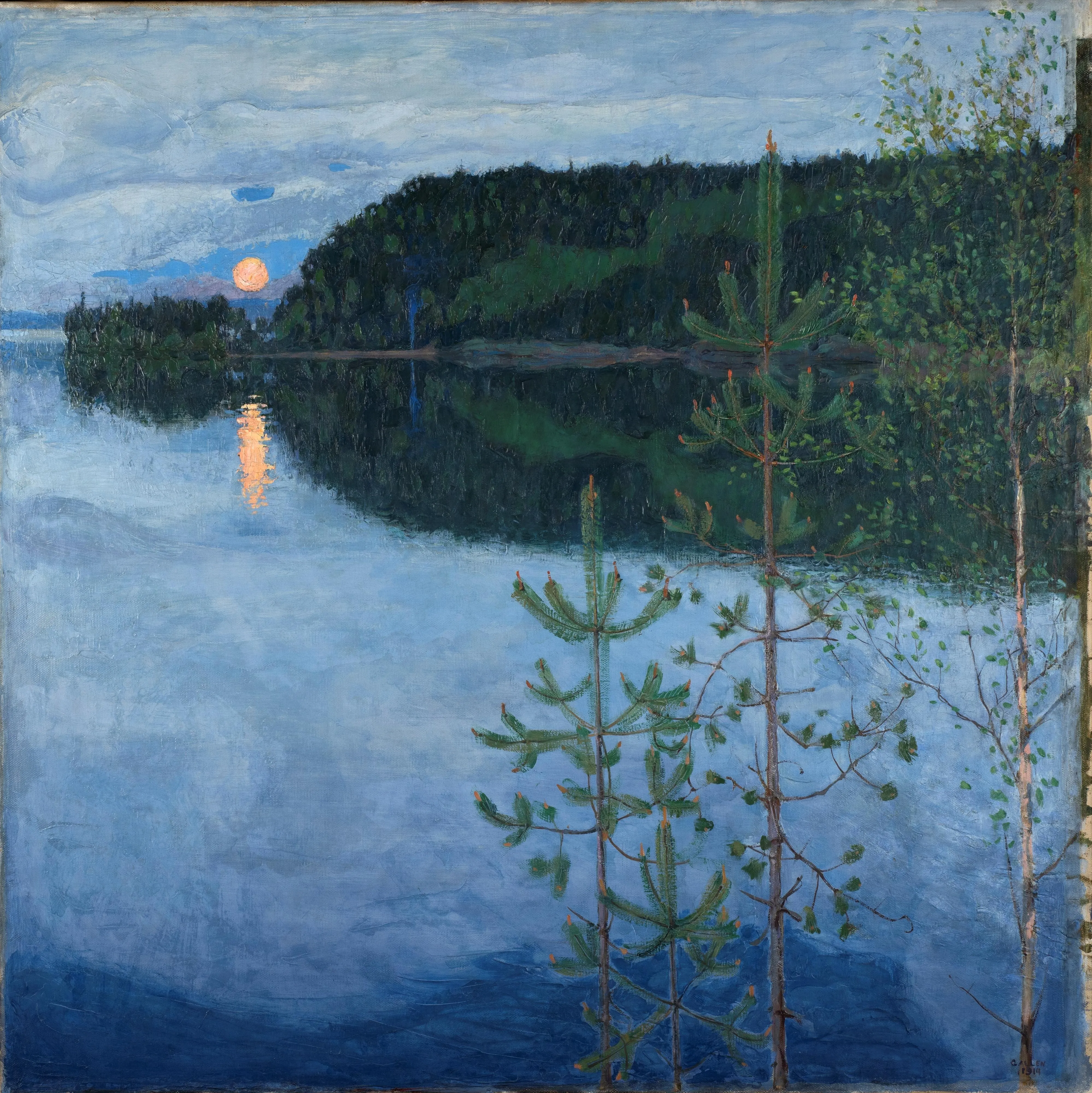
Askeli Gallen-Kallela: Spring Night (1914), Lillehammer Art Museum.
Perhaps landscapes are never perceived purely as nature. Beneath their visible surface, history, myths and memories shimmer through. The landscapes of our destination, in particular, amount to more than mere fragments of nature. For centuries, they have held a distinctive place in the European imagination. In literature and art, journeys to these regions were depicted as movements into more ambiguous spaces, where the boundaries between reality and imagination begin to blur and mythical creatures come to life.
In music, composers such as Niels Gade, Edvard Grieg or Jean Sibelius brought these images to life. Even in works not explicitly drawn from mythology, listeners can make out vast landscapes, populated by heroes and trolls. As early as the nineteenth century, these composers and their austere musical language were met with enthusiasm in Germany. Today, jazz musicians such as Tord Gustavsen or the Tingvall Trio continue to take inspiration from a characteristic Nordic sound.
Among these works, Sibelius’ First Symphony stands out. Not only does it capture typical Nordic soundscapes, it also appears to reflect on how landscapes are shaped by the imagination. The symphony opens with a lone clarinet sounding across a vast, dark landscape. Gradually, other instruments fill the musical space, as if the clarinet’s reverie stimulated the imagination. With the beginning of the subordinate theme, sinister and dancing trolls suddenly emerge from the forests. Just as abruptly as they emerged, they vanish again with the symphony’s close.
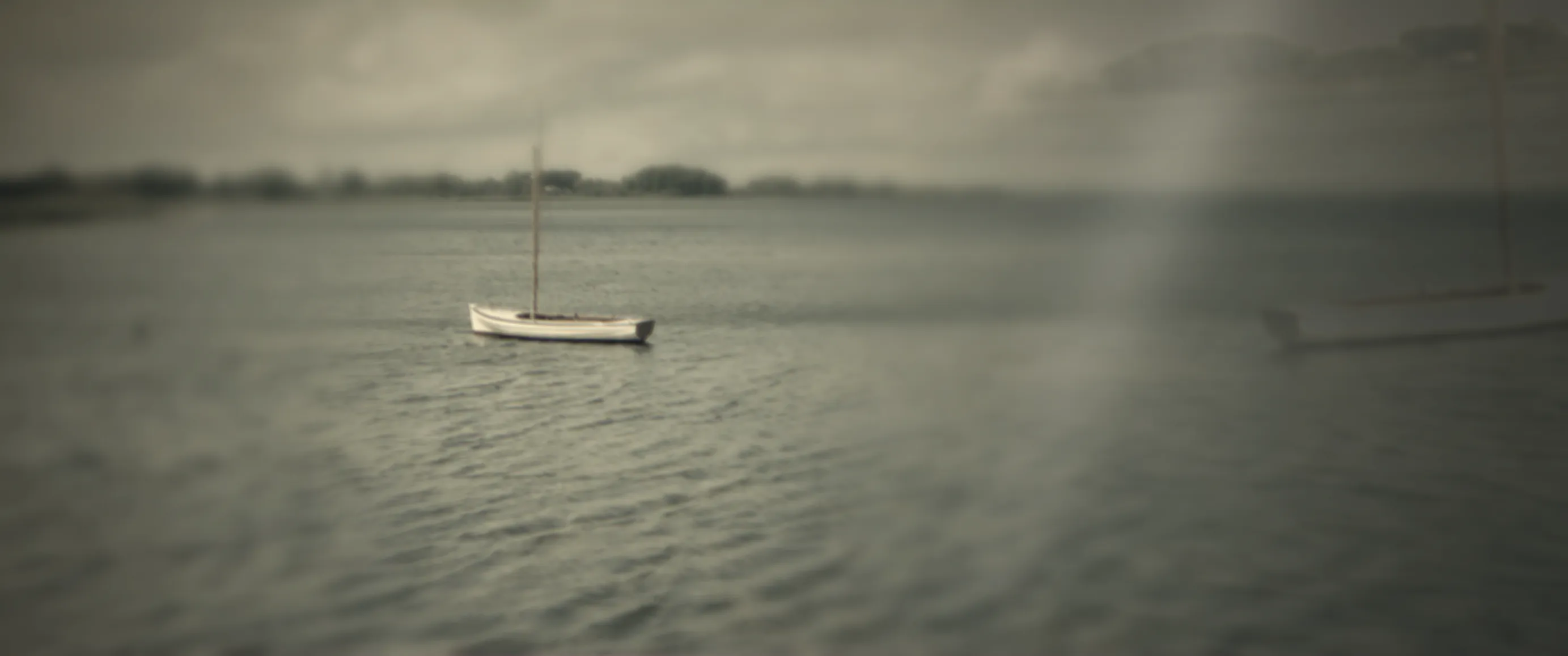
Of course, our destination, with its well-charted routes and countless summer visitors, is far from a menacing place. And yet, it still resonates faintly with older patterns of moving beyond the familiar cultural centres of Western Europe, where supposedly clear-cut distinctions, such as those between landscape, myth and history begin to dissolve – much as the midnight sun suspends the boundary between day and night.
Encountering Ossianic bards in Nordic forests, or figures from the Kalevala on remote islands during this summer’s trip is therefore not unexpected at all.